
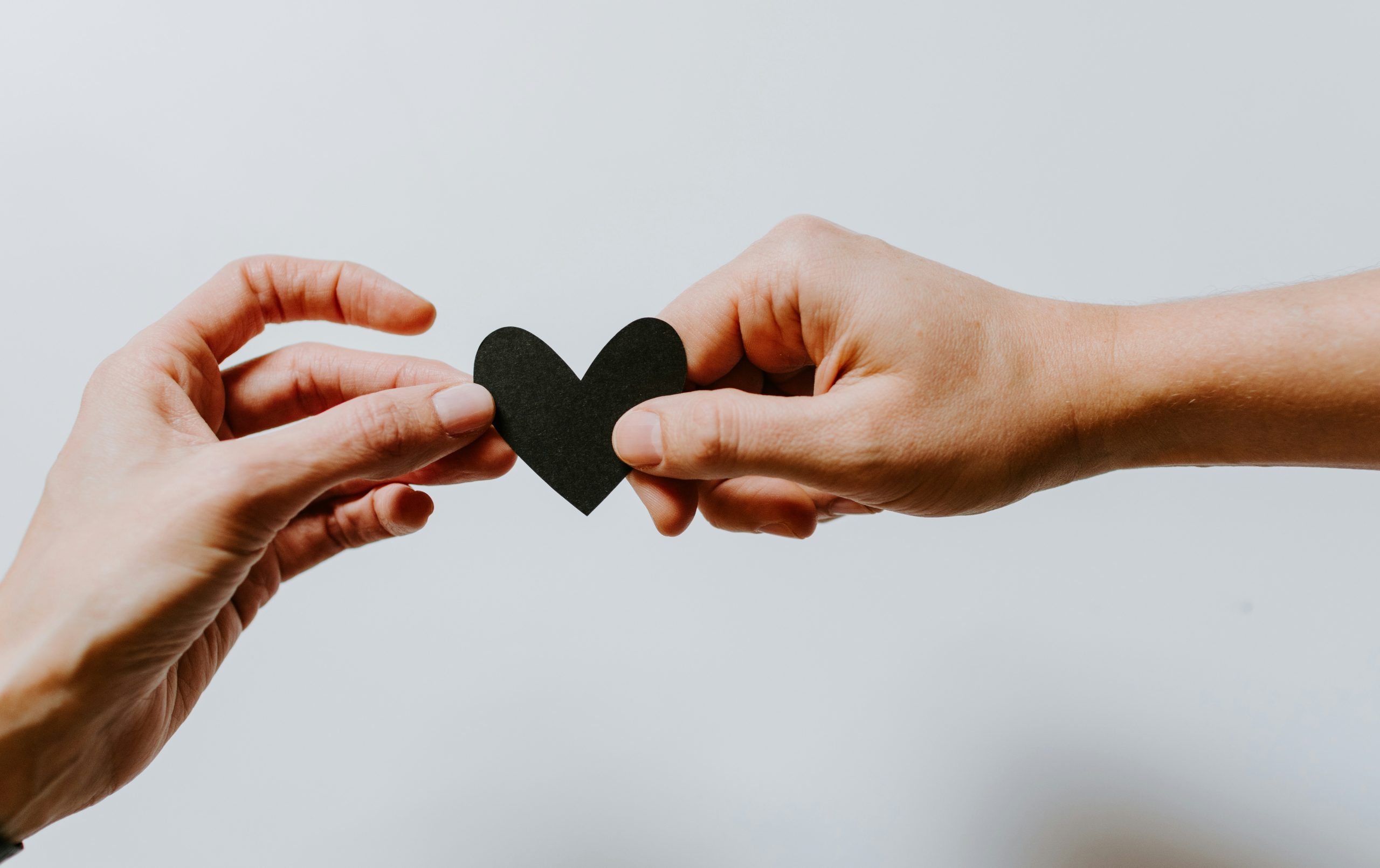
There was a time in my life when addiction defined how the world saw me before anyone took the time to know me. Handcuffs, homelessness, scars, and the label of “drug addict” often spoke louder than my voice. Some of my most painful memories did not happen on the streets, they happened in hospitals, where I went seeking help.
While incarcerated, I developed severe pneumonia. By the third day, every breath had become a struggle. I was taken to the hospital, where the waiting room was nearly empty, yet I remained in triage for more than four hours, handcuffed and under the watch of correctional officers, while gasping for air. My condition was not taken seriously until I collapsed from a lack of oxygen. Only then was I rushed into a treatment room. Doctors later drained fluid from around my lungs and explained that my condition had become life-threatening. I had come frighteningly close to losing my life.
Another time, after being stabbed in my hip, the wound became badly infected. I arrived at the emergency department with a high fever, vomiting, dizziness, and a large abscess. I was first met by security and told to leave before eventually being triaged and left on a stretcher in the hallway. Exhausted, I fell asleep. The next morning, I was told I had missed my name being called and would have to register again. Before I could, I collapsed with a fever of 104°F and dangerously low blood pressure. When I regained consciousness, the doctor looked at me and said, “We almost lost you.”
I replied, “Yeah you almost did, but. I was exactly where your staff left me—in the hallway, struggling to breathe.”
These are only two of many experiences that left me feeling invisible. I often avoided seeking medical care because I feared the judgment more than the illness. No one should ever feel they are less deserving of compassion because of addiction.
Today, I am approaching nine years of sobriety.
Recovery gave me more than freedom from addiction. It gave me purpose. I returned to school twice. First, for Medical Office Administration, because I wanted every person entering a healthcare setting to feel welcomed, respected, and seen. Then Addiction Support and Community Service Worker. I am currently a Peer Support Worker because I wanted to stand beside those living with mental health challenges and addiction, reminding them they are not alone, they matter, and recovery is possible.
My past does not define me; it prepared me to serve others with empathy. I cannot change what happened to me, but I can help ensure someone else’s experience is different.
Special Thanks
To Christa Hiscock at CMHA, thank you for always treating me with kindness, dignity, and hope when I needed it most.
To Dr. Rondal Phillipson and Karen Brown at Tikun Addiction and Withdrawal Management Services, thank you for believing in recovery and helping people rebuild their lives with compassion.
To Adam Chalcraft and Nat Kaminski at Moyo Health & Community Services, thank you for your encouragement, support, and for helping people feel seen and valued.
To Regeneration Outreach Community and Knight’s Table, thank you for the warm meals, kindness, and reminder that even the smallest acts of compassion can change someone’s day—and sometimes, their life.
Most importantly, thank you to everyone who looked beyond my addiction and saw the person I was always capable of becoming.